
What Cooks Outside of Italy Get Wrong About Pasta
The ugly truth is that non-Italians, Americans very much included (even those with Italian surnames), make a mess of classic Italian pasta dishes. The first problem is that too many people fail to realize that the pasta is the star and the sauce is the condiment. This leads to the purchase of cheap pasta and cooking it until it is nearly disintegrating. According to real Italian chefs, pasta is either raw, perfect, or overcooked. Aim for perfection. Buy a quality pasta and cook it in boiling salted water according to the instructions.
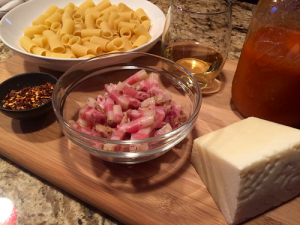
The second problem is over-saucing and pairing the wrong sauce with the pasta. Americans have wrongly been taught that pasta shapes and sizes are a thing of whimsy, and you should pick the shape that amuses you on that day. In part, I blame Olive Garden for asking its guests to pick a pasta, then choose a sauce and perhaps a topping like meatballs or chicken. This is a concept that will make an Italian chef visibly enraged. Pasta shapes and sizes are complemented by particular sauces and wholly incompatible with others. “ Have it your way” may be a catchy slogan, but it’s not a road map for understanding a foreign cuisine. (Spaghetti and meatballs are an American invention. In Italy, these are two separate dishes.)
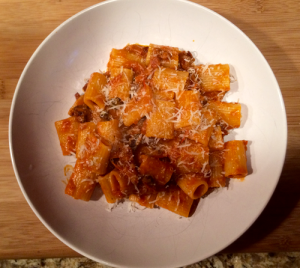
Another issue with pasta in America is the relationship between pasta and sauce. Far too often, I see pasta and sauce that have first met on the plate. Pasta is meant to finish its last minute or so of cooking in the sauce. Again, the sauce is a condiment, not a soup, so there should be just enough to generously coat each piece of al dente pasta. The pasta absorbs a small amount of sauce, and a small amount of starch is released into it, creating the perfect creamy texture. If you mound the pasta on the plate, then top it with sauce and a meat dish, you’re doing it wrong.
Like most authentic Italian dishes, the secret lies in a small number of high-quality ingredients combined with care. This is why you can sit down in an unassuming restaurant in Rome and eat a $10 plate of pasta that will nearly bring you to tears.
Making Pasta Amatriciana at Home
All right — if I have not lost you, let’s get on to the amatriciana. Amatriciana is a simple but delicious sauce made with guanciale (cured pork jowl), fresh tomatoes, Pecorino Romano cheese, white wine, and pepper flakes. That’s it.
As mentioned, the sauce must complement the pasta and vice versa. The traditional pasta pairing with amatriciana is bucatini — a long pasta that looks like a fat spaghetti with a hollow center. This pasta pairs perfectly with amatriciana, but many Roman restaurants use short-tube pastas resembling small rigatoni. In my view, this shape is a great match, but it is not traditional. Below are the ingredients I recommend for a short-sleeve pasta if not using bucatini.
- 1 teaspoon Olive Oil
- 6 to 8 ounces Guanciale cut into 1/4 inch strips (substitute bacon or pancetta, but it won’t be as good)
- 1/2 teaspoon red pepper flakes
- 1 pint of fresh tomato sauce or crushed tomatoes
- 4 ounces of dry white wine (no oak)
- 1/2 cup grated Pecorino Romano (more for serving)
- 1 pound of dried bucatini (or short tube pasta, I use Garofalo Mezzo Maniche Rigate #32)
Heat a large pan large enough to accommodate the sauce and all the cooked pasta over medium-high heat.
Bring four to six quarts of water in a pasta or stock pot to a boil. Once the water is boiling, add a couple of tablespoons of kosher or sea salt. Italians say that pasta cooking water should taste like seawater.
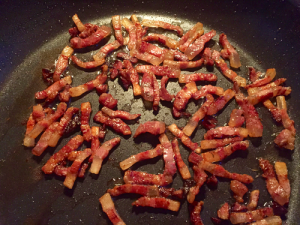
To the pan, add the olive oil and guanciale, and cook until the guanciale is slightly crisp, being careful not to overcook or burn the meat. At this point, add the red pepper flake and the wine to the pan and deglaze, loosening any bits that may have stuck to the pan. Reduce the wine volume by half and then add the tomato sauce.
Cook the sauce over medium heat.
Cook your pasta according to the package instructions. A quality bucatini will take about nine minutes to cook. When you cook a dried pasta shape and brand for the first time, be sure to check it a couple of minutes before the expected finish time. Once you have cooked pasta and a sauce together, you will develop a sense of when to drop the pasta into the water. Until then, have the sauce ready to go, as you cannot wait on the sauce, but perfectly cooked pasta waits for no one.
When the pasta is al dente and nearly perfect, add it to the sauce along with a ladle of the pasta cooking water. Increase the saucepan to high heat. Fold the pasta into the sauce and cook for 30 to 60 seconds. Taste a piece of pasta — if perfect, switch off the heat and add the cheese, tossing to combine.
Serve at once in warm plates or bowls with additional grated cheese. Enjoy and repeat – the more you make this dish, the better your results.
Great wine pairings for your pasta amatriciana include a very local Cesanese (Lazio red wine) and a Montepulciano d’Abruzzo from nearby Umbria.